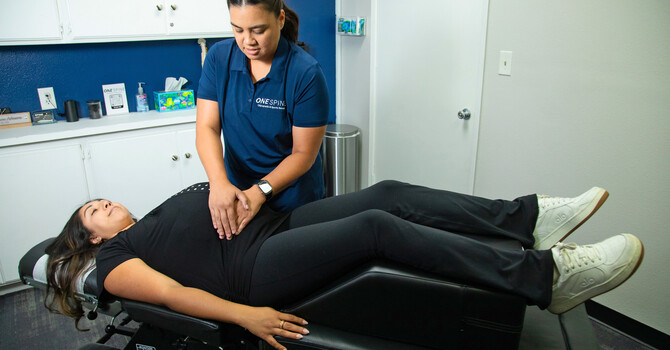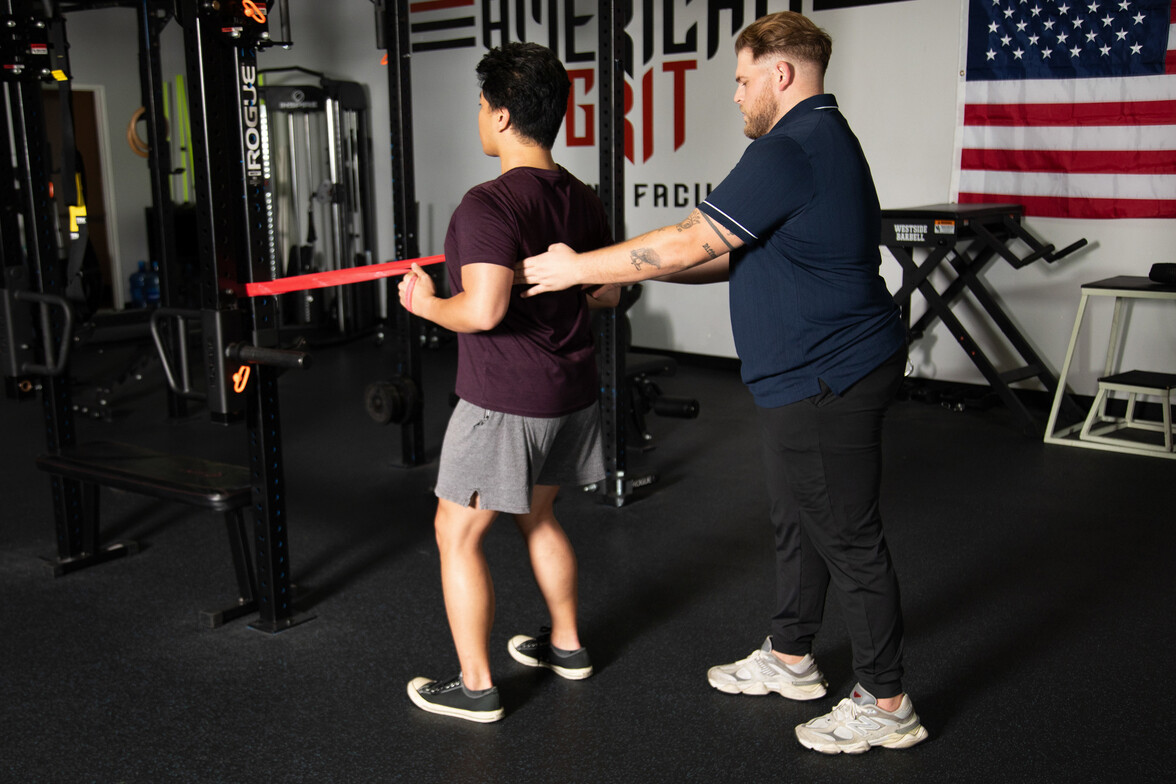
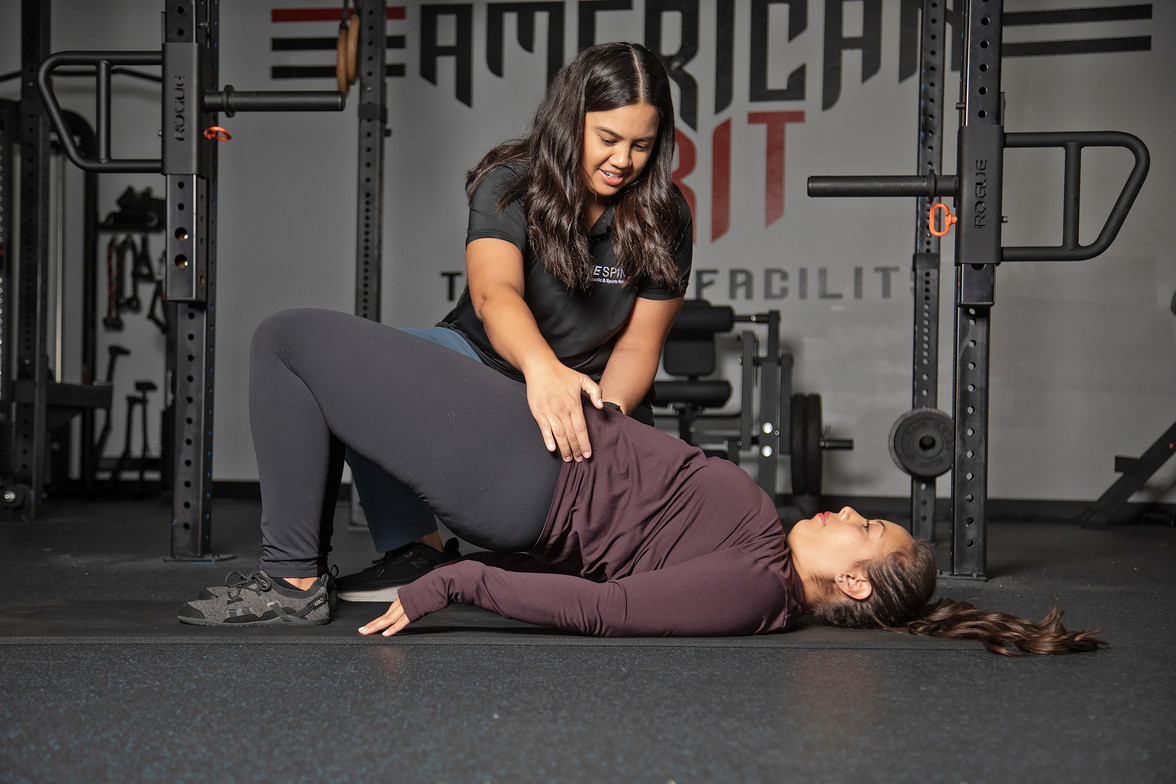
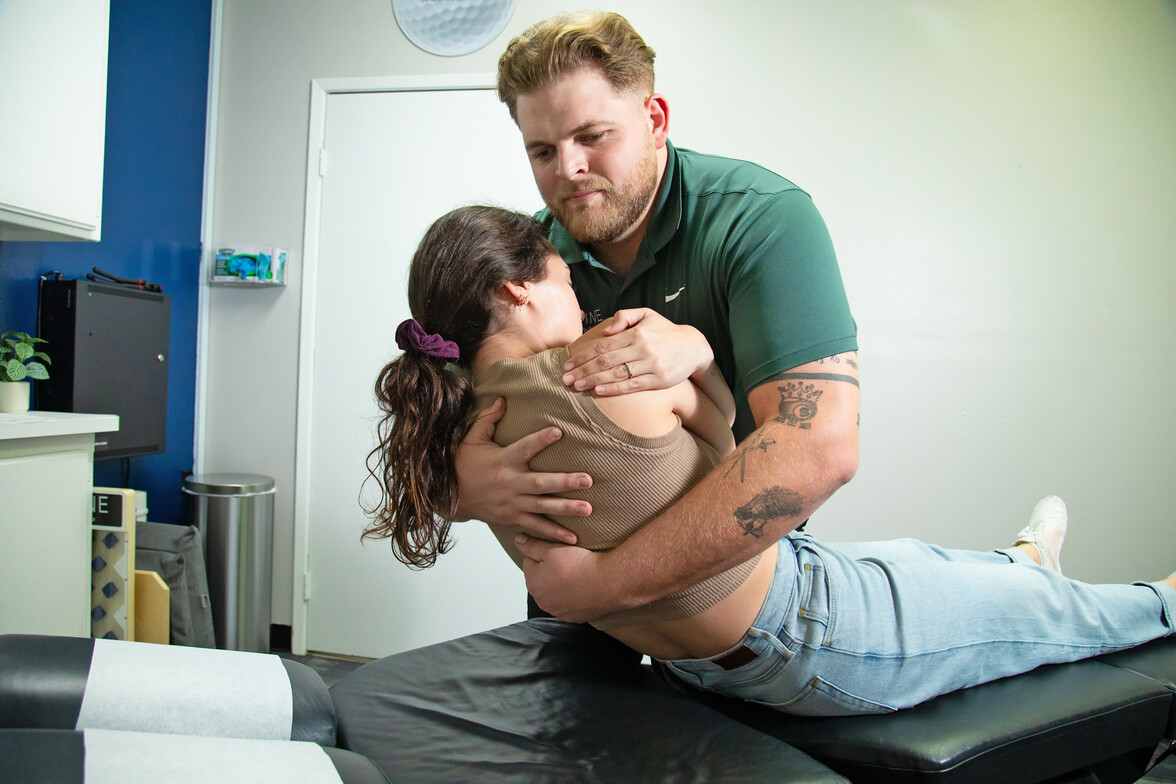
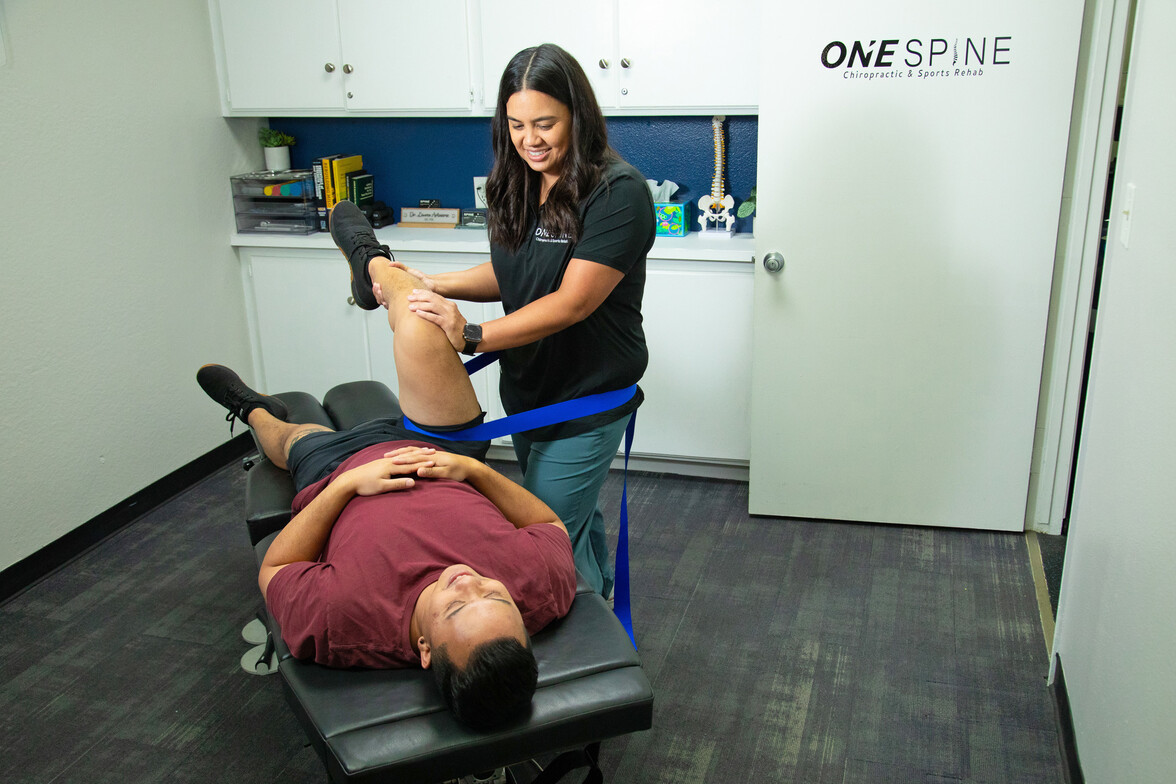



As we step into December—a month where many people reset their routines and prepare for the new year—it’s the perfect time to take a closer look at what truly helps patients manage chronic spinal pain. Two of the most well-supported approaches are chiropractic care and rehabilitation exercises. But is one better? And does combining them offer extra benefits?
A growing body of research has been exploring these questions, and the findings may surprise you.
Both Chiropractic Care and Rehabilitation Exercises Are Effective
Across multiple randomized controlled trials and systematic reviews, both chiropractic care (such as spinal manipulation) and rehabilitation exercises consistently improve pain and function for chronic low back and neck pain [1–5].
Research repeatedly shows:
-
Chiropractic care alone improves pain and disability
-
Exercise therapy alone improves pain and disability
-
Combining the two also improves pain and disability at similar levels to either alone [1–5]
For example, a large randomized controlled trial found that supervised exercise, spinal manipulation, and home exercise all improved chronic low back pain with no meaningful differences in pain or disability between groups, although supervised exercise did produce higher satisfaction and better muscle performance [2].
In chronic neck pain, combining spinal manipulation with exercise improved strength, endurance, and range of motion more than manipulation alone—but patient-rated outcomes were similar between exercise and combination groups [3].
So Why Combine Them? Complementary Benefits Matter
Even though changes in pain and disability are similar across treatments, combining chiropractic care with exercise may offer additional advantages.
1. Higher Patient Satisfaction
Studies show patients tend to feel more satisfied with care when manual therapy and supervised exercise are paired together, especially in structured programs [2,7].
2. Better Physical Function (Strength, Endurance, Mobility)
In neck pain trials, combined therapy improved muscle performance and mobility better than manipulation alone [3].
3. Greater Self-Efficacy and Engagement
Qualitative research reports that patients view chiropractic care and exercise as “peanut butter and jelly”—chiropractic helps address symptoms, while exercise empowers long-term management [6,9].
Together, these elements may help patients stay more committed to their care plans.
Long-Term Outcomes & Recurrence: What Does the Research Say?
Chronic spinal pain is known for recurring episodes, making long-term results essential.
Chiropractic care alone
Observational research shows relatively low recurrence rates after chiropractic care (13–15% at 12 months), with duration of symptoms before treatment being the strongest predictor of recurrence [14]. Still, many patients experience episodic flare-ups requiring follow-up care [9].
Rehabilitation exercises alone
Exercise is strongly supported for maintaining improvements and reducing recurrences. Patients who continue exercising after rehab experience fewer flare-ups and fewer missed workdays [11–12].
Combination therapy
Most long-term studies (12–24 months) show similar pain, disability, and recurrence rates across chiropractic care, exercise therapy, and combined approaches [1,4,7].
However, combination therapy sometimes demonstrates:
-
Better quality-adjusted life-year (QALY) gains
-
Better cost-effectiveness
-
Higher patient satisfaction
—though not necessarily lower recurrence rates [4].
What Do Guidelines Recommend?
Major guidelines, including those from the American Academy of Pain Medicine, endorse both spinal manipulation and exercise therapy as part of multidisciplinary care for chronic spinal pain [7–8].
The choice between chiropractic care, exercise therapy, or combining the two should be guided by:
-
Personal goals
-
Preference
-
Access
-
Lifestyle and daily demands
All three approaches are considered safe when delivered appropriately [1,9].
What This Means for You at One Spine Chiropractic & Sports Rehab
At One Spine, we design care programs individualized to your goals—whether that’s reducing pain, improving mobility, preventing flare-ups, or staying active.
The research is clear:
Chiropractic care works. Exercise therapy works. And combining them may enhance satisfaction, confidence, and functional outcomes, even if pain scores are similar.
Our team can help you decide which approach—or combination—best supports your long-term spinal health as you move into the new year.
Ready to move better and feel better this December?
Book your next visit and let’s build a plan tailored to YOU.
References
-
Blanchette MA, Stochkendahl MJ, Borges Da Silva R, et al. Effectiveness and Economic Evaluation of Chiropractic Care for the Treatment of Low Back Pain: A Systematic Review of Pragmatic Studies. PLoS One. 2016;11(8):e0160037.
-
Bronfort G, Maiers MJ, Evans RL, et al. Supervised Exercise, Spinal Manipulation, and Home Exercise for Chronic Low Back Pain: A Randomized Clinical Trial. Spine J. 2011;11(7):585–98.
-
Bronfort G, Evans R, Nelson B, et al. A Randomized Clinical Trial of Exercise and Spinal Manipulation for Patients With Chronic Neck Pain. Spine. 2001;26(7):788–97.
-
Evans R, Bronfort G, Schulz C, et al. Supervised Exercise With and Without Spinal Manipulation Performs Similarly and Better Than Home Exercise for Chronic Neck Pain: A Randomized Controlled Trial. Spine. 2012;37(11):903–14.
-
Murphy B, Taylor HH, Marshall P. The Effect of Spinal Manipulation on the Efficacy of a Rehabilitation Protocol for Patients With Chronic Neck Pain: A Pilot Study. JMPT. 2010;33(3):168–77.
-
Maiers M, Salsbury SA. “Like Peanut Butter and Jelly”: A Qualitative Study of Chiropractic Care and Home Exercise Among Older Adults With Spinal Disability. Arthritis Care & Research. 2022;74(11):1933–1941.
-
Kreiner DS, Matz P, Resnick DK, et al. Evidence-Based Clinical Guidelines for Multidisciplinary Spine Care. American Academy of Pain Medicine. 2020.
-
Chiarotto A, Koes BW. Nonspecific Low Back Pain. N Engl J Med. 2022;386(18):1732–1740.
-
Goertz CM, Long CR, Vining RD, et al. Effect of Usual Medical Care Plus Chiropractic Care vs Usual Medical Care Alone on Pain and Disability Among US Service Members With Low Back Pain. JAMA Netw Open. 2018;1(1):e180105.
-
Blanco-Giménez P, Vicente-Mampel J, Gargallo P, et al. Clinical Relevance of Combined Treatment With Exercise in Chronic Low Back Pain: A Randomized Controlled Trial. Sci Rep. 2024;14(1):17042.
-
Taimela S, Diederich C, Hubsch M, Heinricy M. The Role of Physical Exercise and Inactivity in Pain Recurrence After Rehabilitation. Spine. 2000;25(14):1809–16.
-
Wagemans J, Bleakley C, Taeymans J, et al. Exercise-Based Rehabilitation Reduces Reinjury Following Acute Lateral Ankle Sprain. PLoS One. 2022;17(2):e0262023.
-
Gedin F, Skeppholm M, Sparring V, Zethraeus N. Effectiveness and Cost-Effectiveness of Chiropractic and Physiotherapy for Chronic Low Back Pain: A Multicenter RCT. BMC Musculoskelet Disord. 2025;26(1):190.
-
Knecht C, Humphreys BK, Wirth B. Recurrences of Low Back Pain During the First 12 Months After Chiropractic Treatment. JMPT. 2017;40(6):427–33.
%20(1400%20x%20750%20px)%20(53).jpg)