


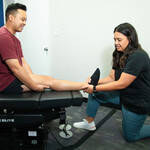
When most people think of chiropractic care, low back pain is usually the first thing that comes to mind—and for good reason. Chiropractic treatment has a strong evidence base for managing spinal pain. But limiting chiropractic care to “just backs” overlooks the broader role chiropractors play in managing musculoskeletal health.
Let’s break down what the research actually shows.
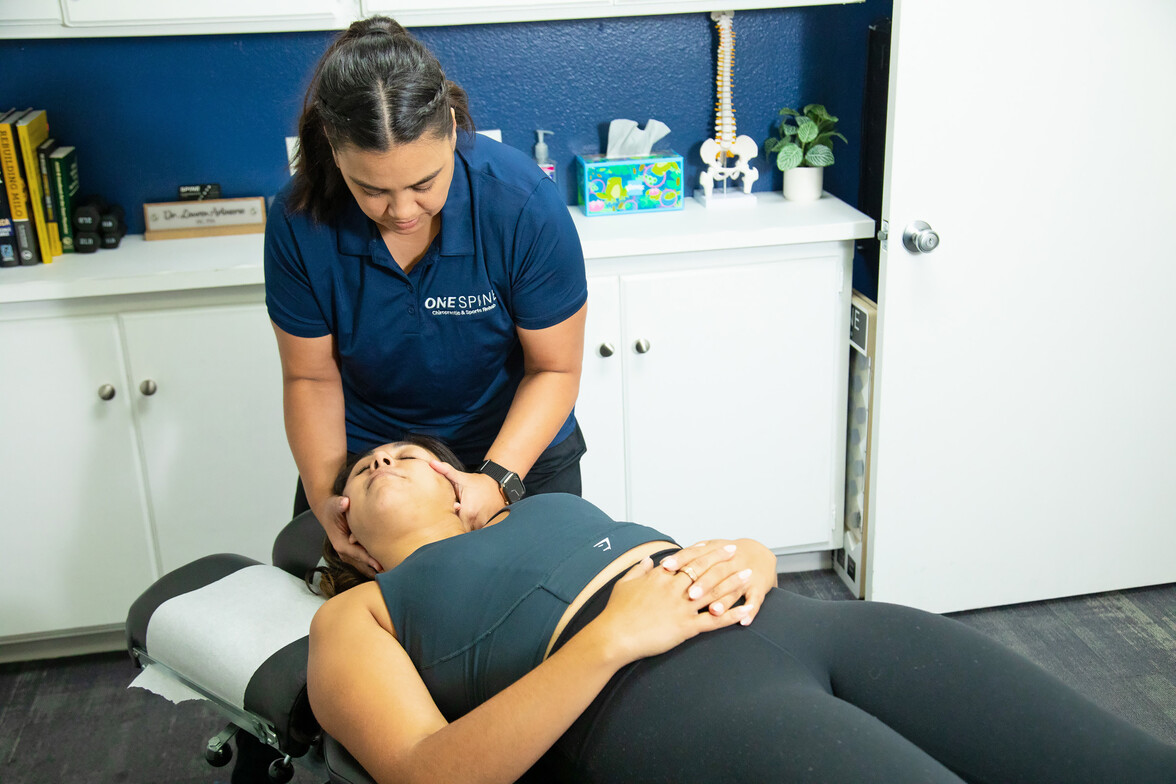
Neck Pain: One of the Strongest Areas of Evidence
Neck pain is one of the most well-supported conditions treated by chiropractors. Multiple clinical trials demonstrate that spinal manipulation can improve chronic neck pain and function, with outcomes comparable to conventional treatments such as physical therapy or medication management.¹
Interestingly, some studies suggest that thoracic (mid-back) manipulation may be more effective than direct cervical manipulation for certain neck pain presentations, highlighting the importance of treating the body as a connected system rather than isolating one joint.¹
Headaches: Especially Tension-Type and Cervicogenic
Headaches—particularly tension-type and cervicogenic headaches—are another common reason patients seek chiropractic care. Research suggests spinal manipulation may reduce headache frequency and intensity, especially when muscle tension and neck dysfunction are contributing factors.²
While some studies show benefit for migraines and post-traumatic headaches, the overall evidence base is smaller compared to spinal pain conditions. As a result, headache care should be individualized and integrated with other appropriate treatments.²
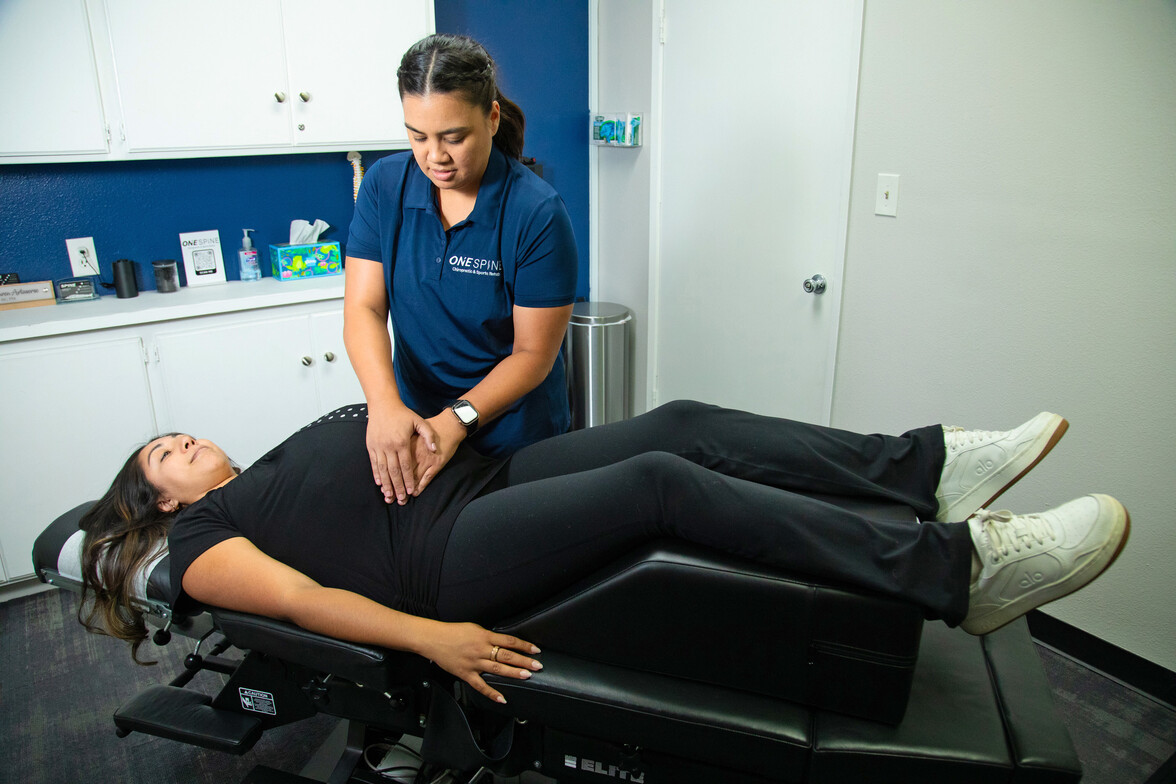
Pregnancy-Related Musculoskeletal Pain
Pregnancy places unique physical demands on the body, often leading to low back pain, pelvic pain, and other neuromuscular complaints. Chiropractic care offers a non-pharmacologic treatment option during pregnancy, making it an appealing choice for many patients.³
Research supports the role of chiropractic care in addressing pregnancy-related musculoskeletal discomfort, with care tailored to safety, comfort, and functional support throughout pregnancy.³
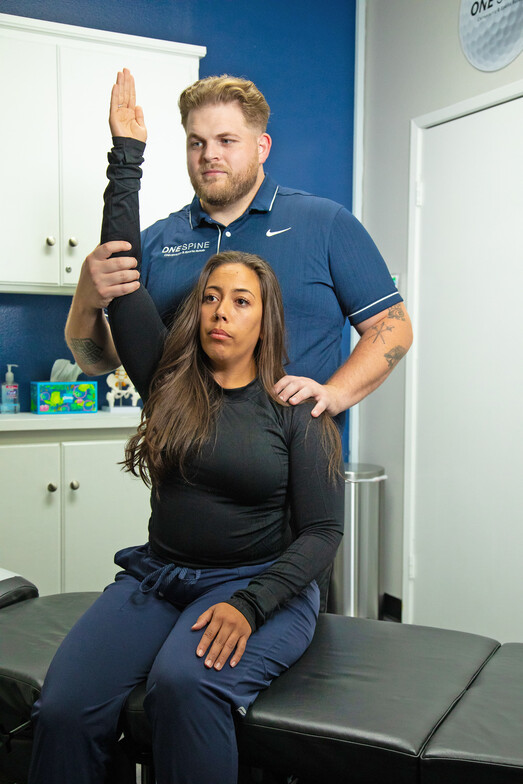
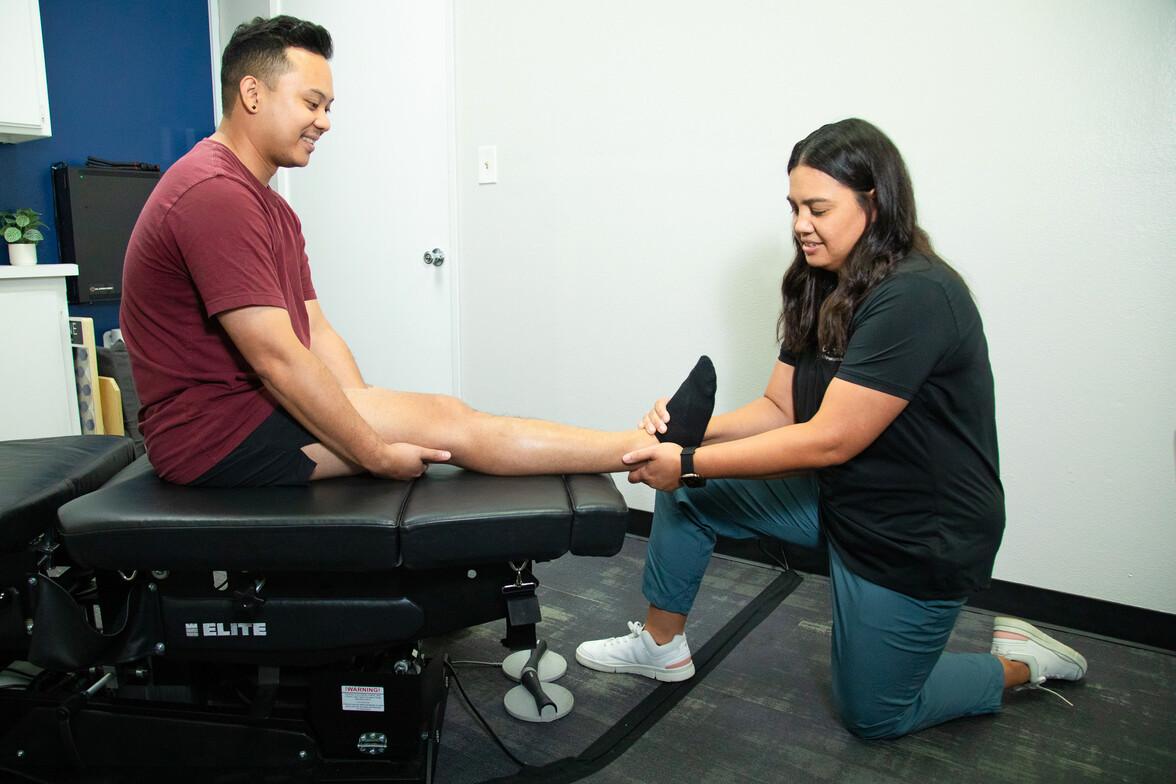
Extremity Joint Conditions: Shoulders, Hips, Knees, and More
Chiropractors also treat upper and lower extremity conditions, including:
-
Upper extremity: shoulder, elbow, wrist, and hand conditions
-
Lower extremity: hip, knee, ankle, and foot conditions
Systematic reviews show that most of the existing research consists of case reports, with relatively few high-quality clinical trials.⁴⁻⁵ However, this does not mean treatment is ineffective—it means more research is needed.
Care for extremity conditions is typically multimodal, combining:
-
Joint manipulation (spinal and peripheral)
-
Soft tissue techniques
-
Myofascial release
-
Corrective exercise and movement retraining
Notably, many studies include spinal treatment even when the primary complaint is in an arm or leg, reinforcing the concept that spinal function influences extremity movement and load distribution.⁴⁻⁵
For conditions such as knee and hip osteoarthritis, manual therapies like massage and myofascial release show small to moderate improvements in pain and function.¹
What Chiropractic Care Is Not Best Supported For
For non-musculoskeletal conditions (such as asthma, hypertension, fibromyalgia, or chronic lung disease), the evidence is either limited or insufficient to draw firm conclusions.¹⁻²⁻⁶ While some early findings are promising for select conditions, these results should be interpreted cautiously due to the lack of high-quality trials.
This is why modern chiropractic care focuses primarily on musculoskeletal health, where the strongest and most consistent evidence exists.
The Takeaway
Chiropractic care is not just about back pain—it’s about optimizing how the entire musculoskeletal system functions together.
Strong evidence: back pain, neck pain
Growing evidence: headaches, pregnancy-related pain
Emerging evidence: extremity joint conditions
Limited evidence: non-musculoskeletal conditions
At its core, chiropractic care is about improving movement, reducing pain, and helping people function better in their daily lives.
References
-
Flynn DM. Chronic Musculoskeletal Pain: Nonpharmacologic, Noninvasive Treatments. American Family Physician. 2020.
-
Kaptchuk TJ, Eisenberg DM. Chiropractic: Origins, Controversies, and Contributions. Archives of Internal Medicine. 1998.
-
Conner SN, Trudell AS, Conner CA. Chiropractic Care for the Pregnant Body. Clinical Obstetrics and Gynecology. 2021.
-
McHardy A, Hoskins W, Pollard H, et al. Chiropractic Treatment of Upper Extremity Conditions: A Systematic Review. Journal of Manipulative and Physiological Therapeutics. 2008.
-
Hoskins W, McHardy A, Pollard H, et al. Chiropractic Treatment of Lower Extremity Conditions: A Literature Review. Journal of Manipulative and Physiological Therapeutics. 2006.
-
Hawk C, Khorsan R, Lisi AJ, et al. Chiropractic Care for Nonmusculoskeletal Conditions. Journal of Alternative and Complementary Medicine. 2007.
%20(1400%20x%20750%20px)%20(53).jpg)