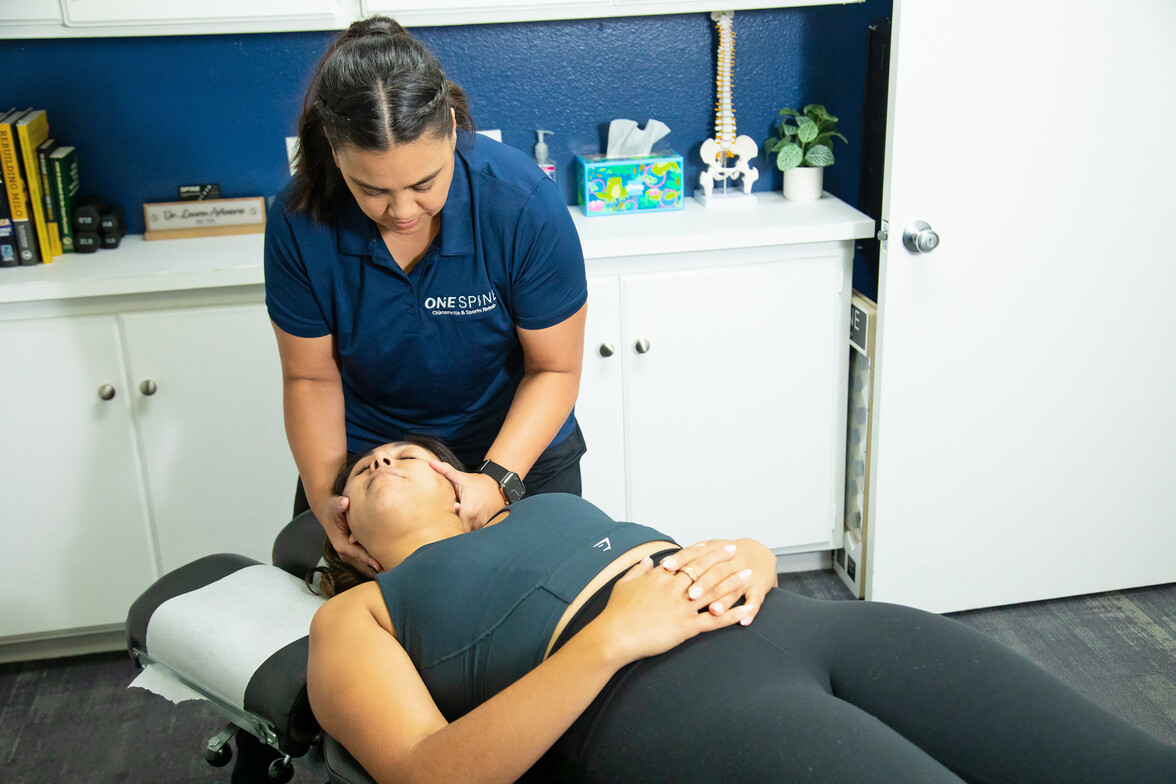
Myth: A Chiropractic Adjustment Is Just “Popping Joints”
One of the most common misconceptions about chiropractic care is that an adjustment is simply about making a joint “pop.” While an audible release can occur during some adjustments, decades of research show that High-Velocity Low-Amplitude (HVLA) manipulation produces complex neurophysiological effects that extend far beyond joint mechanics.
What Is Actually Happening During an Adjustment?
HVLA chiropractic techniques stimulate the nervous system through multiple pathways, influencing sensory processing, motor control, autonomic regulation, inflammation, and stress responses—not just joint motion.
Sensorimotor Integration & Central Processing
Research demonstrates that HVLA manipulation alters how the brain processes sensory information. When applied to clinically relevant spinal segments, cervical HVLA reduces the N30 somatosensory evoked potential (SEP) amplitude by approximately 17%, while manipulation of non-relevant segments produces no significant effect [1]. This indicates a targeted influence on central nervous system processing, not just local joint movement.
Additional studies show that chiropractic adjustments prevent habituation to tonic pain. In cold-pressor testing, sham interventions resulted in reduced brain activity across EEG frequency bands, while chiropractic adjustments maintained neural activity—suggesting altered central pain processing [2]. These findings support the idea that HVLA may increase pain tolerance and threshold by reducing ongoing subthreshold mechanical or chemical irritation in paraspinal tissues [3].
Motor Control & Neuromuscular Function
HVLA manipulation has been shown to increase voluntary muscle force and delay fatigue, primarily through changes in supraspinal (brain-level) excitability, rather than peripheral muscle effects [4]. Mechanoreceptors in the spine fire high-frequency bursts during manipulation, potentially producing sustained changes in synaptic efficacy within the central nervous system [5].
Importantly, these effects are not limited to the adjusted area. In patients with lateral epicondylalgia (tennis elbow), cervical HVLA manipulation significantly increased pain-free handgrip strength, demonstrating remote neuromuscular benefits [6].
Autonomic Nervous System Effects
Chiropractic adjustments also influence the autonomic nervous system. Studies report changes in heart rate variability and skin conductance, indicating shifts in sympathetic and parasympathetic balance [7]. These effects vary depending on the spinal level adjusted and the patient’s health status. In hypertensive individuals, cervical HVLA manipulation has been associated with reductions in blood pressure [6].
Inflammatory & Stress Biomarkers
Emerging evidence suggests chiropractic care may influence systemic inflammation and neuroplasticity. After 12 weeks of chiropractic adjustments, patients demonstrated increased blood levels of brain-derived neurotrophic factor (BDNF) and IL-6, along with decreased TNF-α at follow-up [8]. These findings suggest potential regulatory effects on inflammation and nervous system adaptability.
Chiropractic care has also been shown to influence stress biomarkers, with acute increases in salivary cortisol and trends toward decreased hair cortisol over time—an indicator of reduced chronic stress exposure [8].
Peripheral & Biomechanical Contributions
From a mechanical standpoint, HVLA manipulation produces approximately 0.9 mm of facet joint gapping, activating mechanoreceptors such as muscle spindles and Golgi tendon organs [3,9–10]. While biomechanical changes like improved range of motion play a role, research indicates these mechanical effects work synergistically with neurophysiological mechanisms rather than acting alone.
More Than Just an Adjustment
Modern chiropractic care is rarely limited to spinal manipulation alone. Evidence shows that chiropractic visits frequently include therapeutic exercise, soft tissue therapy, patient education, and lifestyle counseling, reflecting a multimodal, evidence-based approach [11–16]. This combination supports long-term function, independence, and resilience—not just short-term symptom relief.
The Takeaway
The idea that chiropractic adjustments are “just popping joints” overlooks a substantial body of scientific evidence. HVLA manipulation is a powerful neurological input that influences the brain, nervous system, muscles, and even systemic physiology.
The sound may catch your attention—but the real work happens in the nervous system.
References
-
Niazi IK, Navid MS, Merkle C, et al. A Randomized Controlled Trial Comparing Different Sites of High-Velocity Low-Amplitude Thrust on Sensorimotor Integration Parameters. Scientific Reports. 2024.
-
Navid MS, Lelic D, Niazi IK, et al. *The Effects of Chiropractic Spinal Manipulation on Central Processing of Tonic Pain: A Pilot Study Using Standardized Low-Resolution Brain Electromagnetic Tomography (sLORETA). Scientific Reports. 2019.
-
Pickar JG. Neurophysiological Effects of Spinal Manipulation. The Spine Journal. 2003.
-
Haavik H, Kumari N, Holt K, et al. The Contemporary Model of Vertebral Column Joint Dysfunction and Impact of High-Velocity, Low-Amplitude Controlled Vertebral Thrusts on Neuromuscular Function. European Journal of Applied Physiology. 2021.
-
Pickar JG, Bolton PS. Spinal Manipulative Therapy and Somatosensory Activation. Journal of Electromyography and Kinesiology. 2012.
-
Galindez-Ibarbengoetxea X, Setuain I, Andersen LL, et al. Effects of Cervical High-Velocity Low-Amplitude Techniques on Range of Motion, Strength Performance, and Cardiovascular Outcomes: A Review. Journal of Alternative and Complementary Medicine. 2017.
-
Wirth B, Gassner A, de Bruin ED, et al. Neurophysiological Effects of High Velocity and Low Amplitude Spinal Manipulation in Symptomatic and Asymptomatic Humans: A Systematic Literature Review. Spine. 2019.
-
Amjad I, Niazi IK, Kumari N, et al. The Effects of 12 Weeks of Chiropractic Spinal Adjustments on Physiological Biomarkers in Adults: A Pragmatic Randomized Controlled Trial. PLOS One. 2025.
-
Anderst WJ, Gale T, LeVasseur C, et al. Intervertebral Kinematics of the Cervical Spine Before, During, and After High-Velocity Low-Amplitude Manipulation. The Spine Journal. 2018.
-
Gevers-Montoro C, Provencher B, Descarreaux M, et al. Neurophysiological Mechanisms of Chiropractic Spinal Manipulation for Spine Pain. European Journal of Pain. 2021.
-
Ziegler AL, Shannon Z, Long CR, et al. Chiropractic Services and Diagnoses for Low Back Pain in U.S. Department of Defense Military Treatment Facilities: A Secondary Analysis of a Pragmatic Clinical Trial. Journal of Manipulative and Physiological Therapeutics. 2022.
-
Mior S, Wong J, Sutton D, et al. Understanding Patient Profiles and Characteristics of Current Chiropractic Practice: A Cross-Sectional Ontario Chiropractic Observation and Analysis Study (O-COAST). BMJ Open. 2019.
-
Globe G, Farabaugh RJ, Hawk C, et al. Clinical Practice Guideline: Chiropractic Care for Low Back Pain. Journal of Manipulative and Physiological Therapeutics. 2015.
-
Goertz CM, Long CR, Vining RD, et al. Effect of Usual Medical Care Plus Chiropractic Care vs Usual Medical Care Alone on Pain and Disability Among U.S. Service Members With Low Back Pain: A Comparative Effectiveness Clinical Trial. JAMA Network Open. 2018.
-
Mootz RD, Cherkin DC, Odegard CE, et al. Characteristics of Chiropractic Practitioners, Patients, and Encounters in Massachusetts and Arizona. Journal of Manipulative and Physiological Therapeutics. 2005.
-
Rupert RL, Manello D, Sandefur R. Maintenance Care: Health Promotion Services Administered to U.S. Chiropractic Patients Aged 65 and Older, Part II. Journal of Manipulative and Physiological Therapeutics. 1999.
%20(1400%20x%20750%20px)%20(53).jpg)